
For South Phoenix resident Lori K., Mission of Mercy has been more than a free medical clinic, it has given her some life back. Lori, 61, first visited Mission of Mercy a few years ago after moving to Arizona following 13 years in Texas. She had been prescribed blood pressure medication in Texas, but without insurance, she couldn’t keep up with the cost. A friend told her about Mission of Mercy, and soon after enrolling, Lori learned she had type 2 diabetes.
“I can’t afford insurance,” she said. “Mission of Mercy set me up so I could actually get the healthcare help I need, and they also provide my prescriptions.”

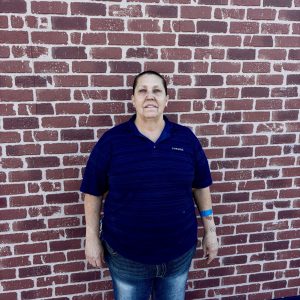
Several months ago, Lori began struggling to see out of one eye. She thought she simply needed glasses, but paying for specialized eye care felt out of reach. During an appointment at the South Phoenix clinic, her provider referred her to Mission of Mercy’s vision clinic in Mesa, where volunteer optometrist Dr. Darcy Jones quickly realized something more serious was happening.
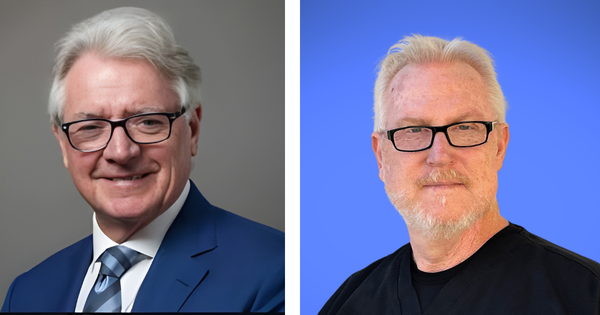
“It was clear Lori wasn’t dealing with normal age-related vision changes,” said Dr. Jones. “She had a mature cataract and needed surgery right away. I knew we had to find her help.”
Dr. Jones reached out to her network of colleagues, ultimately securing pro bono cataract surgery with Dr. Jon A. Konti. Lori received the life-changing procedure on July 3, 2025.
“I was completely blind in that eye,” Lori said. “Now I can see out of both eyes with near perfect vision.”
Mission of Mercy also supported Lori as she worked to quit smoking – a major step toward improving her overall health. With medication and encouragement, she has gone from smoking eight packs a week to fewer than two.
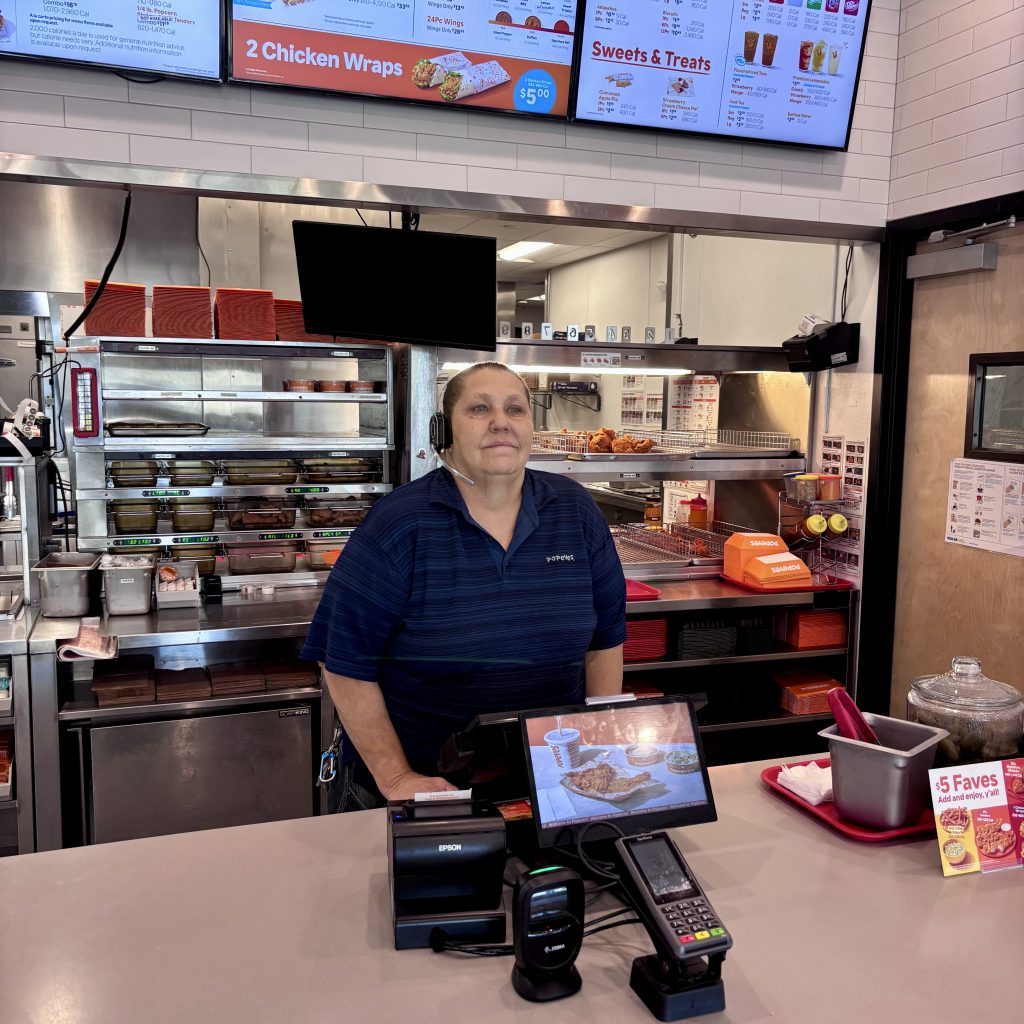
Today, Lori works full time at Popeye’s, supports her husband who lives with end-stage renal failure and cannot work, and is raising four of her grandchildren.
“Mission of Mercy has meant the world to me and has given me a lot of life back – helping with my blood pressure and diabetes, and not being blind in one eye. I could very easily have ended up homeless on the streets without the care they provided.”